
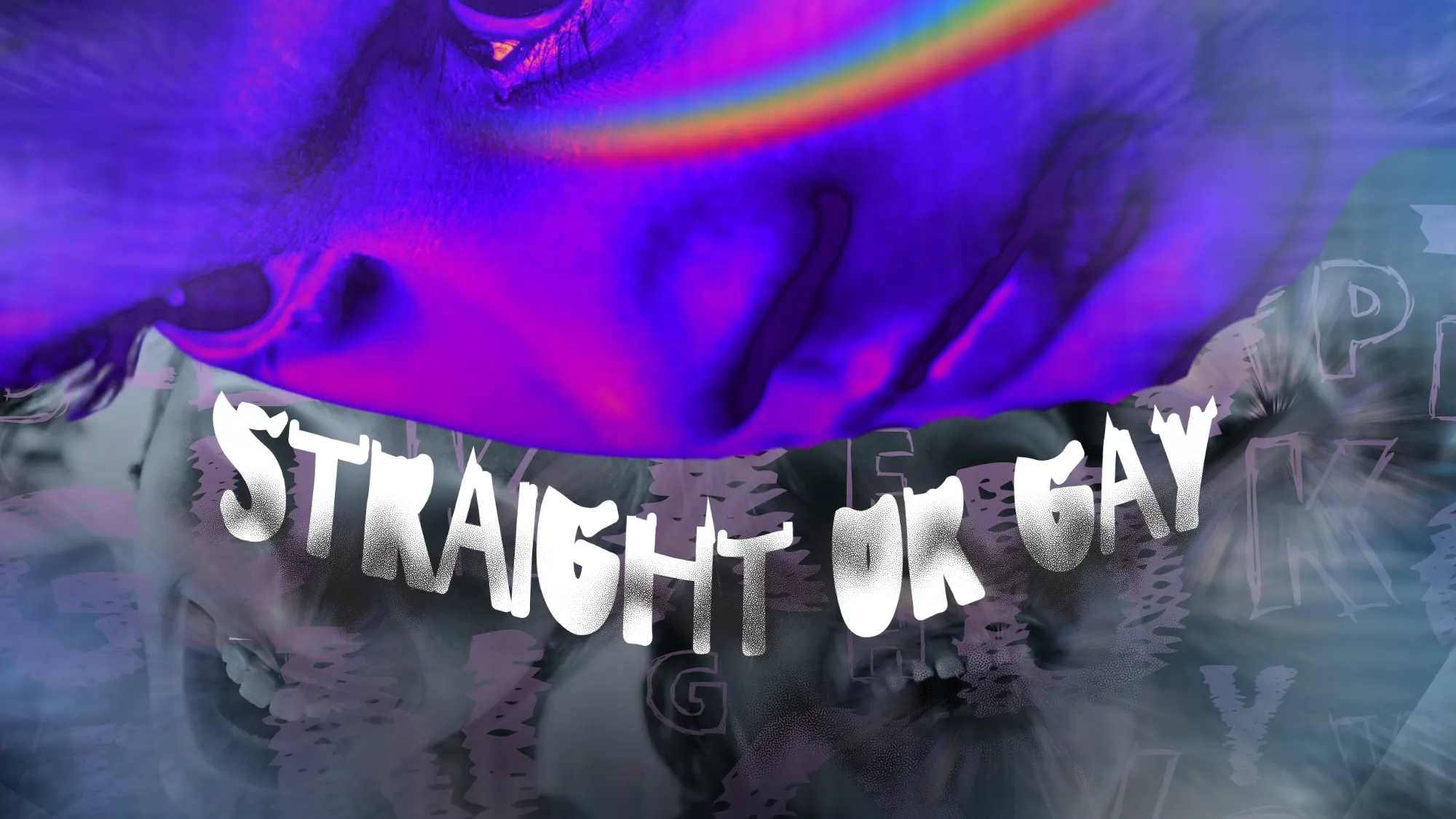
When I was younger, there were little games that children played. Someone would ask, “Show me your nails,” or “Show me your elbow.” Depending on how you did it, they would laugh and tell you whether you were straight or gay.
To them, it was only a joke.
To me, it felt like a test I never wanted to take.
I did not fully understand what being gay meant, but I understood what happened when people thought you were. Whenever someone laughed and said, “Bakla ka,” I felt the need to check myself. I paid attention to the way I talked, the way I walked, and the way I moved.
Before I even had the words to describe myself, I was already editing myself, trying to be accepted, trying to fit into what others thought a boy should be, trying to be anything but the person they were teasing me for being.
The teasing did not end when the game ended. It followed me home. It followed me into conversations, into classrooms, and into quiet moments when nobody was watching. I became afraid of taking up space. I worried about the way my voice sounded. I hesitated to ask for the haircut I wanted. I questioned every gesture, every expression, every part of myself that might give people another reason to point and laugh.
While other children were learning who they were, I was learning how to disappear.
For years, I believed that acceptance was something I had to earn. If I acted differently, spoke differently, or hid enough pieces of myself, maybe people would stop looking at me that way. Maybe they would stop calling me names. Maybe I would finally be enough.
But no matter how carefully I watched myself, there was one thing I could never escape: the person I was trying so hard to hide was still me.
Now, when I look back at those childhood tests, I realize they were never really about nails or elbows. They were reminders of how early people learn to judge what they do not understand. They taught me to be afraid of myself before I even knew myself. They made me believe that being seen was dangerous.
If I could speak to the younger version of myself, I would tell him to put his hands down. Stop checking. Stop changing. Stop apologizing for taking up space. There is nothing wrong with your voice. There is nothing wrong with your mannerisms. There is nothing wrong with the parts of you that others made fun of. You do not need to become someone else to deserve kindness. You do not need to hide to deserve respect.
Because the truth is, you were never the problem.
And if you have ever felt the need to shrink yourself just to be accepted, this is for you too: you deserve acceptance. You deserve kindness. You deserve respect. You deserve to be seen.
You deserve to take up space. And most importantly, you deserve the freedom to exist exactly as you are.
We deserve sunshine.