
I have always believed that the Senate should be where national problems are confronted—not where new ones are created.
At a time when Filipinos are struggling with rising food prices, worsening floods, and economic uncertainty, the country’s attention has once again been diverted—not by solutions, but by conflict within the Senate itself.
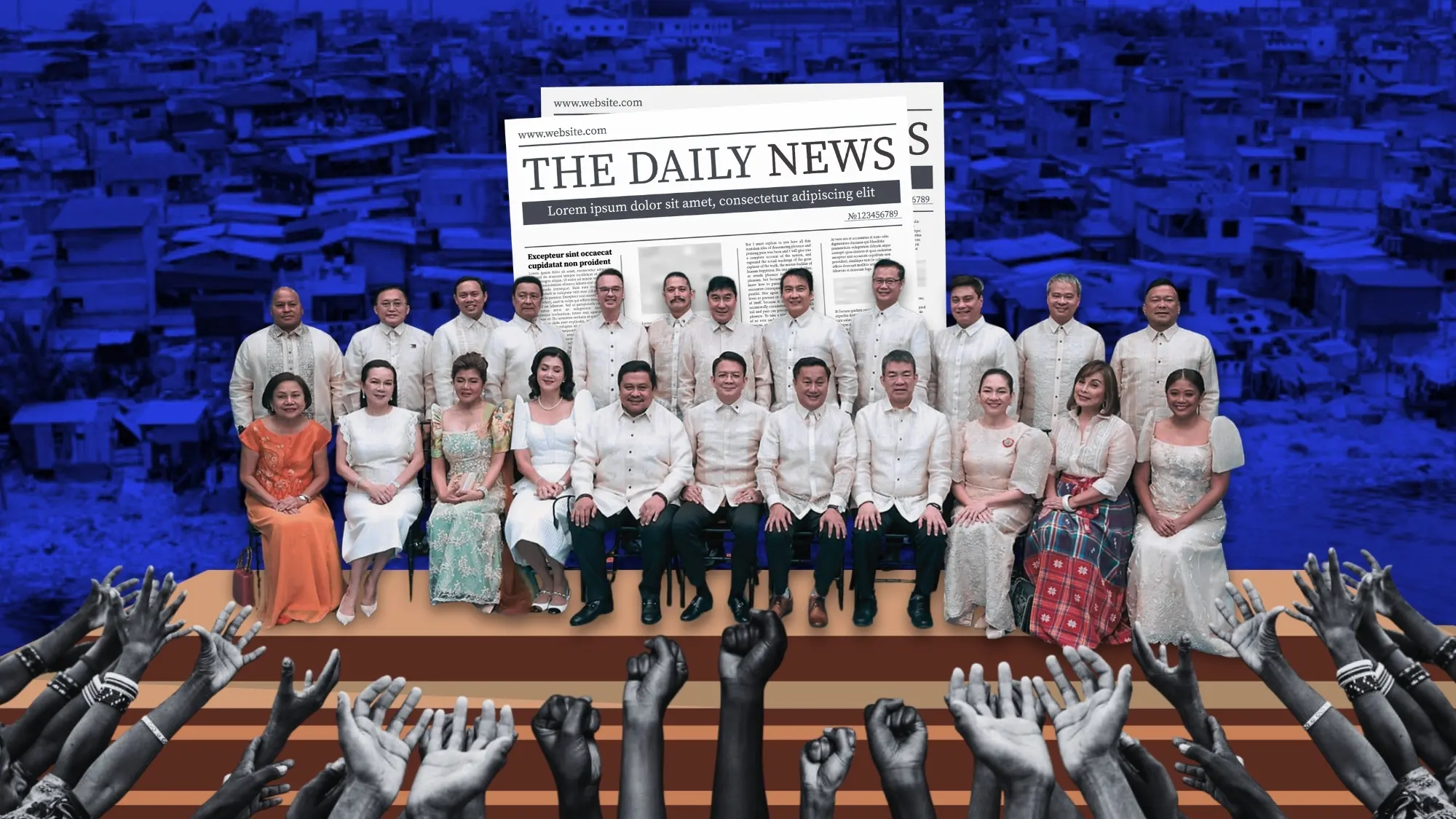
The leadership dispute between Senator Alan Peter Cayetano and Senator Sherwin Gatchalian has transformed the upper chamber into the center of controversy. After two days of legislative deadlock, 12 senators convened and elected Gatchalian as acting Senate president.
Yet Cayetano continued to assert his legitimacy, resulting in competing claims to leadership and raising questions about the Senate’s ability to carry out its constitutional duties, including the impeachment proceedings against Vice President Sara Duterte.
What is at stake now is no longer merely a question of who holds the gavel.
It is the credibility of the institution itself.
The current turmoil in the Senate reveals three troubling realities: it shifts attention away from the issues that matter most to Filipinos, weakens public trust in democratic institutions, and turns public service into a contest of political ambition rather than a commitment to national responsibility.
First, when the Senate becomes preoccupied with itself, the people’s problems are pushed to the sidelines.
Filipinos did not elect senators to spend weeks battling over positions and procedures. They elected them to legislate, investigate corruption, and address the challenges facing the nation. Every day consumed by political deadlock is a day taken away from pressing concerns that demand immediate attention. While senators argue over authority, millions continue to worry about inflation, livelihood, education, and disaster preparedness.
The Senate should be a place where solutions are crafted—not where dysfunction is manufactured.
Second, prolonged conflict within the Senate erodes public confidence in democratic institutions.
Democracy relies not only on laws and procedures but also on trust. Institutions function effectively when people believe that those entrusted with power are acting in the public’s interest. Yet when elected officials appear more focused on internal struggles than national concerns, citizens inevitably begin to ask: if they cannot put their own house in order, how can they govern the country’s affairs?
Trust, once damaged, is difficult to rebuild.
And no democracy can thrive when its people begin losing faith in the institutions designed to serve them.
Third, public office should never become a trophy to be fought over.
Leadership is not measured by one’s ability to cling to power, but by one’s willingness to place the institution above personal ambition. Positions are temporary. Responsibility is permanent.
Whether one sides with Cayetano or Gatchalian is ultimately secondary. What matters more is whether the Senate itself emerges stronger, more united, and more capable of fulfilling its mandate.
After all, there is little value in winning a political battle if the institution itself loses the respect and confidence of the people.
The Senate leadership dispute must be resolved not through endless power struggles, but through constitutional processes, dialogue, and statesmanship. Senators must remember that their mandate comes not from alliances or factions, but from the Filipino people.
Political differences are inevitable. Institutional paralysis should not be.
Power is temporary. But the damage caused by public disillusionment can endure far longer.
When I think about the Senate, I do not think about titles, factions, or who sits in the highest chair. I think about the millions of Filipinos who expect leadership in times of uncertainty. I think about workers hoping for better opportunities, families struggling with daily expenses, and communities waiting for meaningful reforms.
Because the Senate was never meant to become the headline. It was meant to become part of the answer. And when an institution created to solve problems becomes a problem itself, it is not merely politics that suffers—it is public trust.
And once trust begins to crumble, even the strongest institutions risk collapsing under the weight of their own ambitions.