In a typical science class, students learn about greenhouse gases, rising sea levels, and extreme weather events. But for youth participating in Klima Eskwela 2025, climate change is not just a topic in a textbook—it is a problem they are determined to solve. This nationwide program is turning schools into hubs of climate action, equipping students with the tools, funding, and mentorship they need to turn ideas into real-world solutions.
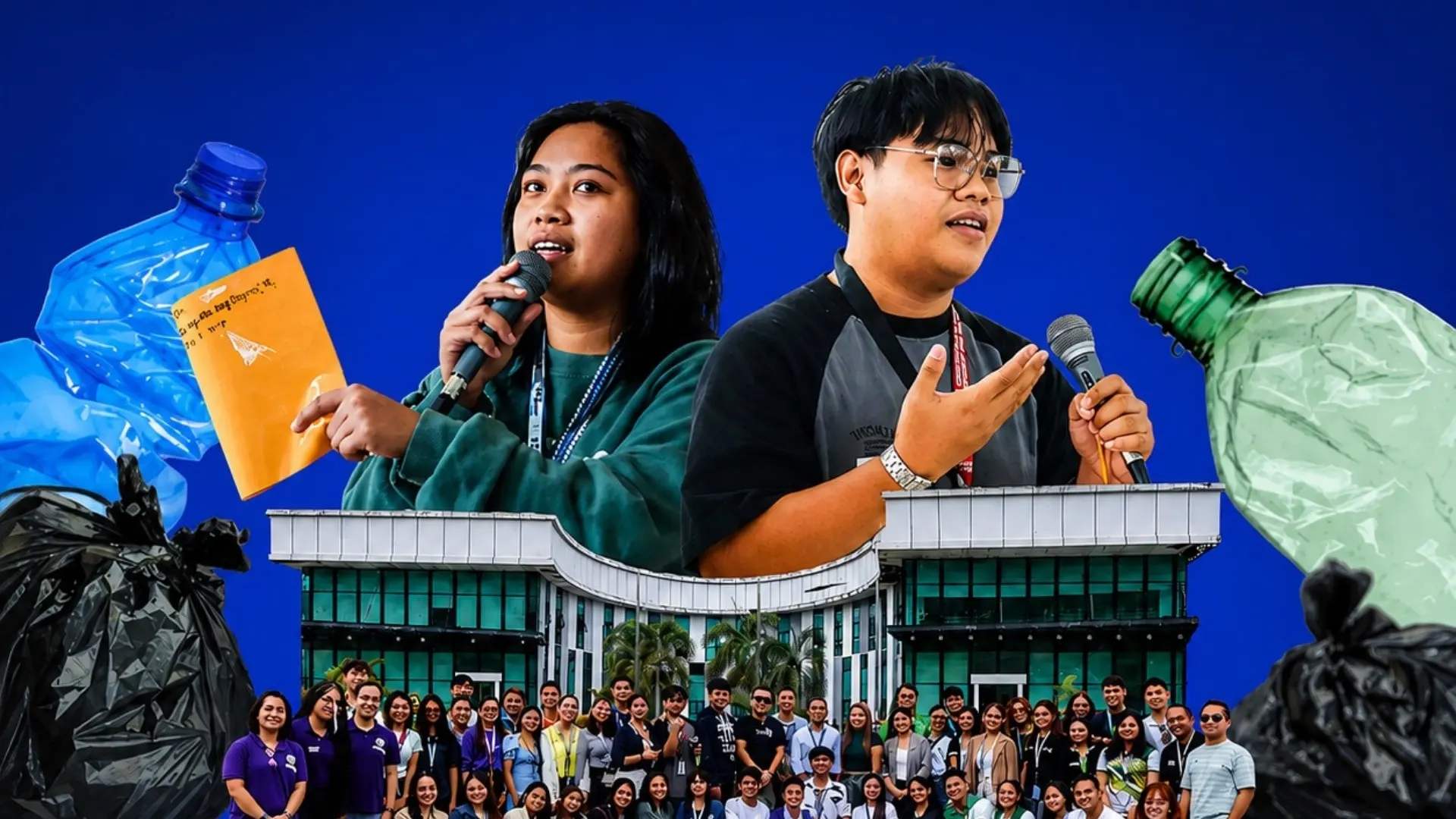
The first leg of the program kicked off on May 21, 2025 at Caraga State University (CSU) in Butuan City. Organized by The Climate Reality Project Philippines with the Climate Change Commission, along with the City Government of Butuan, and CSU, the initiative is designed to train student leaders who can launch campaigns, run projects, and build movements. Participants spent days learning how to plan campaigns, write policies, map stakeholders, and manage projects. For many, it is a wake-up call. CSU student Jon Patoñal explained that while he had always known that plastic was bad for oceans and landfills, the training showed how its production and disposal also release greenhouse gases, connecting everyday waste directly to the climate crisis.
Out of this training came Project Niche, a project that helps students design and run campus-based waste and plastic management initiatives. Each of the three partner schools, including CSU, will receive up to ₱100,000 in seed funding. Beyond the money, students gain access to resources from Climate Reality Philippines and join the Klima Eskwela Network, a community of youth leaders who share ideas, collaborate on projects, and support one another across schools.
From Caraga to Siargao, the movement of youth-led climate action continued. In May 2024, Klima Eskwela went to Del Carmen, Siargao, bringing together students from Surigao del Norte State University, the Siargao Island Institute of Technology, and local youth councils. They drafted proposals to ban single-use plastics on campus, promote zero-waste options with vendors, and enforce stricter waste segregation. Local officials also promised their support, showing how youth-led advocacy can influence policy changes when combined with community engagement.
Farther south, Camarines Norte State College hosted over 80 students who explored climate issues through science and culture. Activities like sensory mapping helped them express how climate change affects their neighborhoods and imagine solutions. Discussions emphasized the link between plastics and global warming which inspired students to propose campus policies that reduce waste and promote sustainability.
Beyond those campaigns and projects, what students carry home is something less tangible but just as indispensable: hope. For Adonis II “Undo” Salen, USSG Chairperson, Klima Eskwela gave them more than knowledge—it gave them a sense of possibility. As Salen explained, “Naniniwala kami na hindi lang learnings o knowledge ang dala sa amin ng [Klima Eskwela] kundi ang pag-asa rin na hindi ‘yung mga problema o climate impacts ang end. Mayroon pang espasyo para gumalaw tayo. […] I think this is a step to igniting the passion of the youth in climate action.”
That sense of hope is what drives Klima Eskwela forward. The program does not just teach students about climate change; instead it connects to the realities they face, from flooding in Butuan, to coastal erosion in Siargao, and heat waves in Camarines Norte. It pairs knowledge with support which turns concern into action. Mentorship helps projects last, while the network connects students nationwide, making individual efforts part of a bigger movement.
Looking ahead, possibilities are expansive. Schools could adopt composting, switch to renewable energy, or create policies that encourage reusable materials. Student coalitions could work with local governments to expand successful projects across communities. Klima Eskwela plants the seeds for these changes, proving that young people are not just future leaders—they are changemakers capable of shaping a greener, more resilient Philippines through creativity, collaboration, and courage.